
From 17 October to 3 November, at Rifugio Digitale, six photographer artists presents how colonial rule, past and present, and environmental exploitation have transformed the Middle East and North Africa, in an exhibition curated by Roï Saade.
Once upon a time, it was possible to travel by land and sea across Southwest Asia and North Africa. The consequences of colonial domination, past and present, forced displacement, land grabs, political turmoil, capitalist greed, wars and conflicts have turned the region into a set of policed and militarized territories that divide communities, halt their movements, and alienate them from their relations to the land. As capitalist and colonialist world order continue to vigorously extract the land’s natural resources for profit, marginalized communities are made to live under conditions of continued precarity and neglect. Under these circumstances, disability is nowhere and everywhere at the same time. So are issues of accessibility.
The stories shown in this exhibition span a rich diversity of everyday experiences to rethink disability and access within the specific histories and localities of the South West Asian/ North African (SWANA) region. Crucially, they are driven by a desire for a borderless region joined by the struggles for justice, survival and liberation.
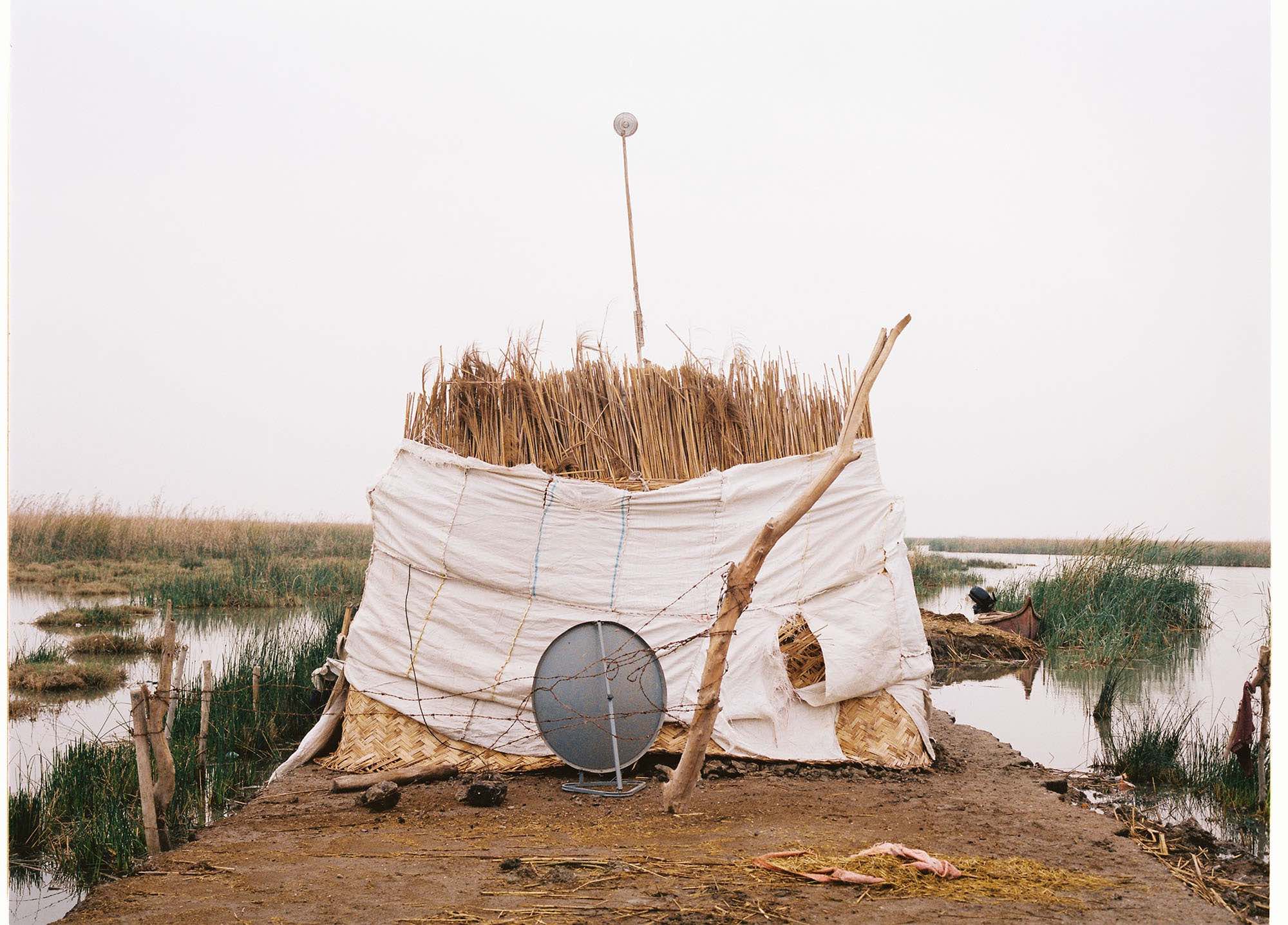
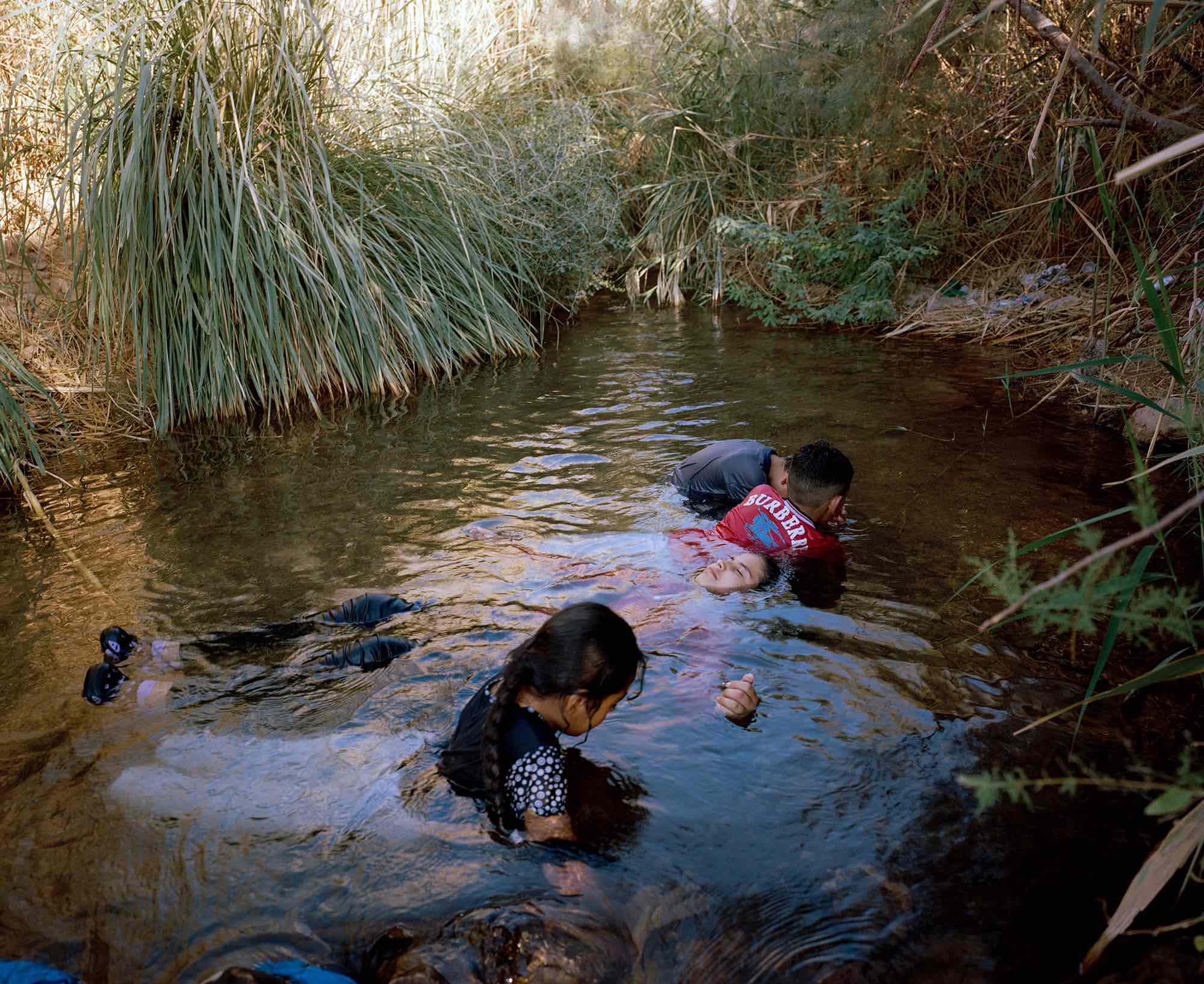
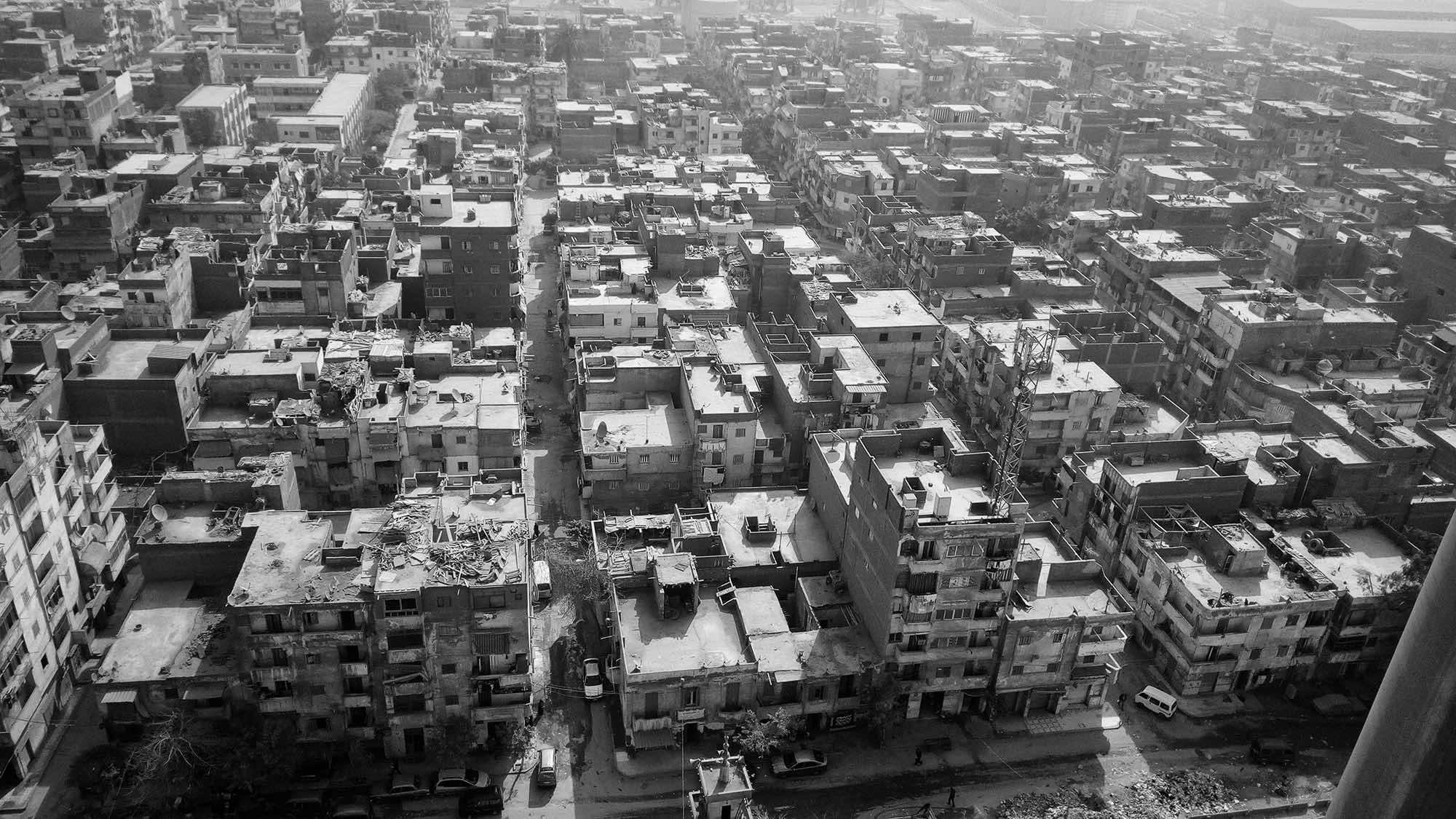
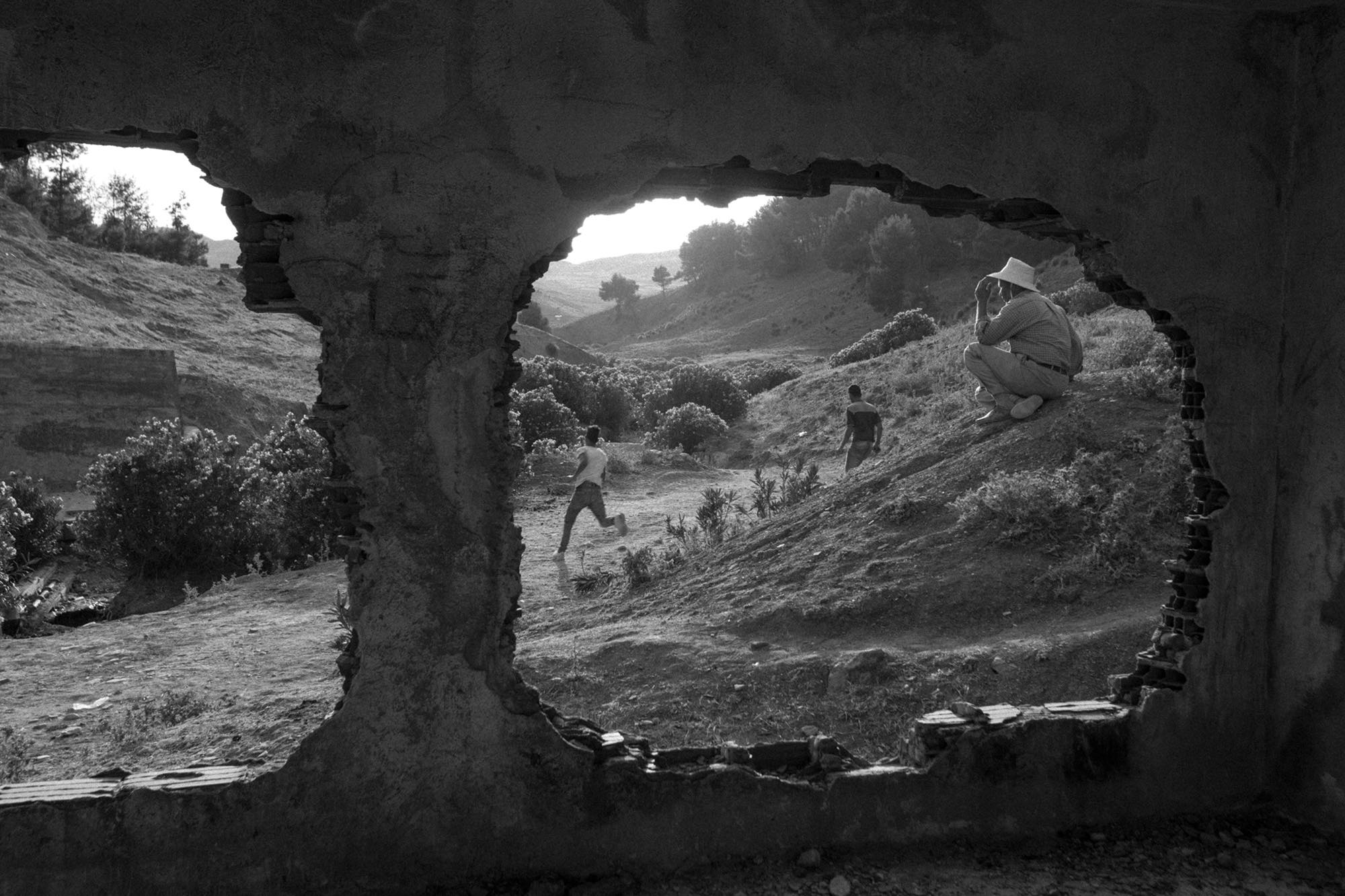
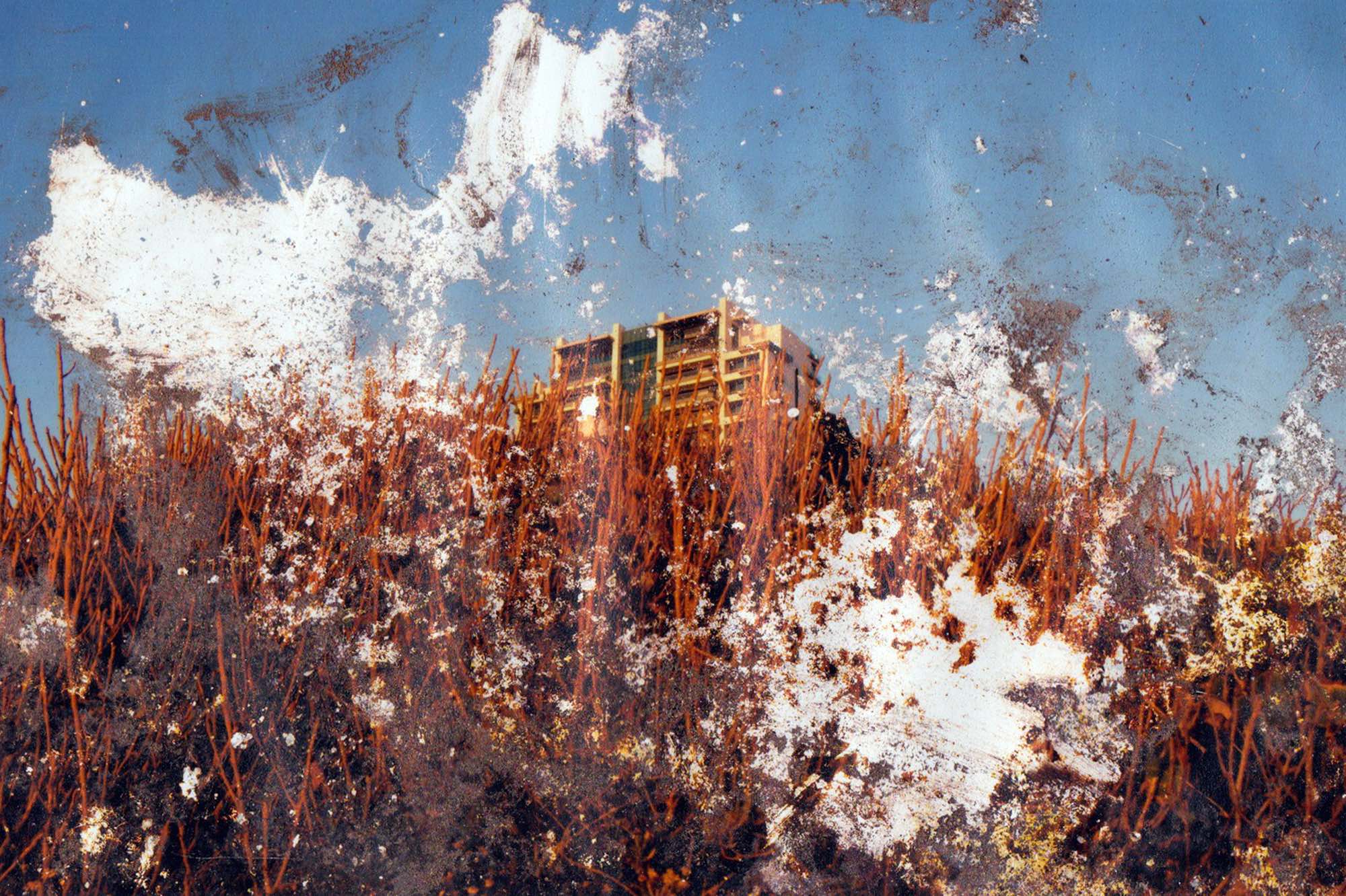
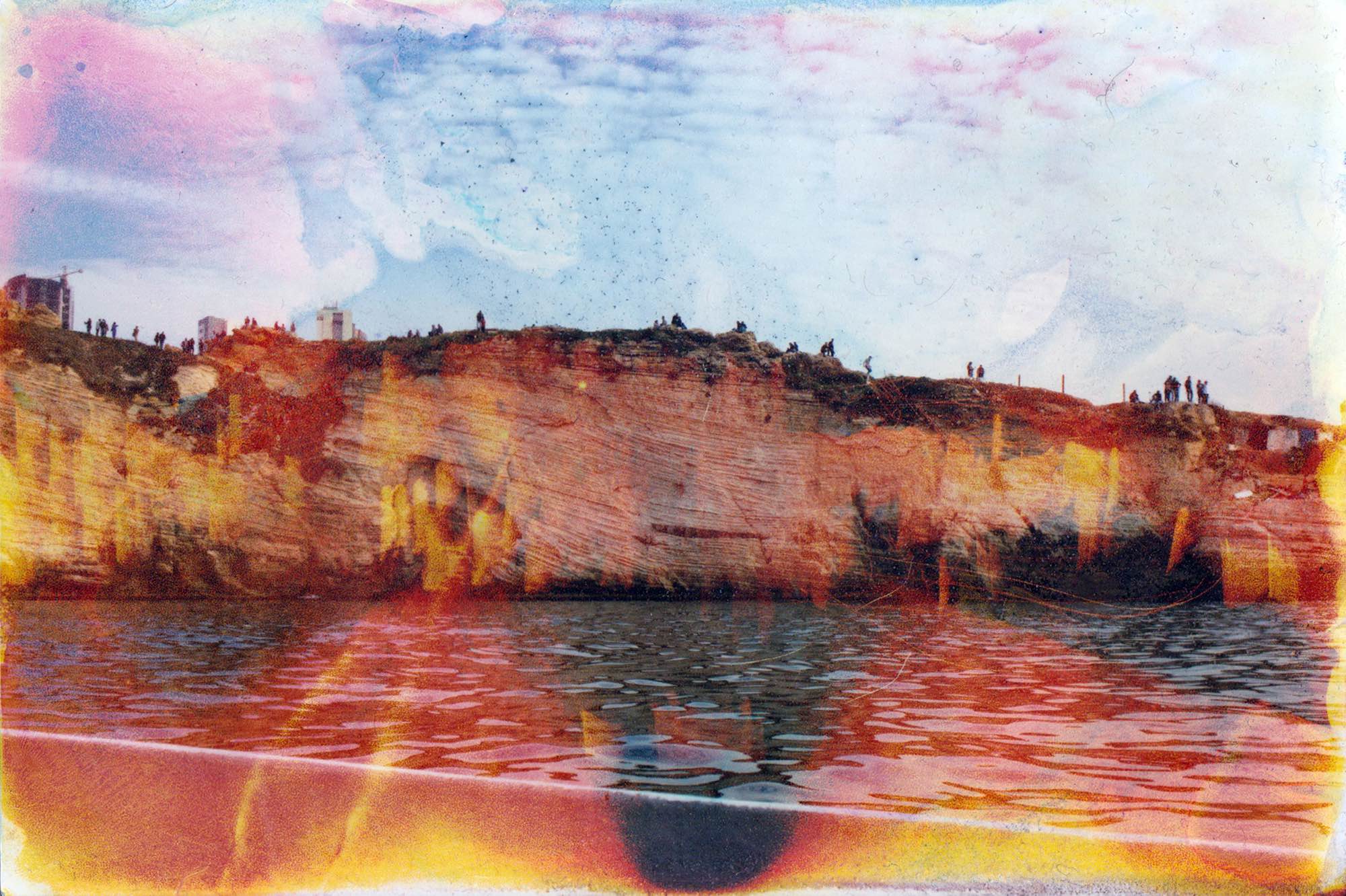
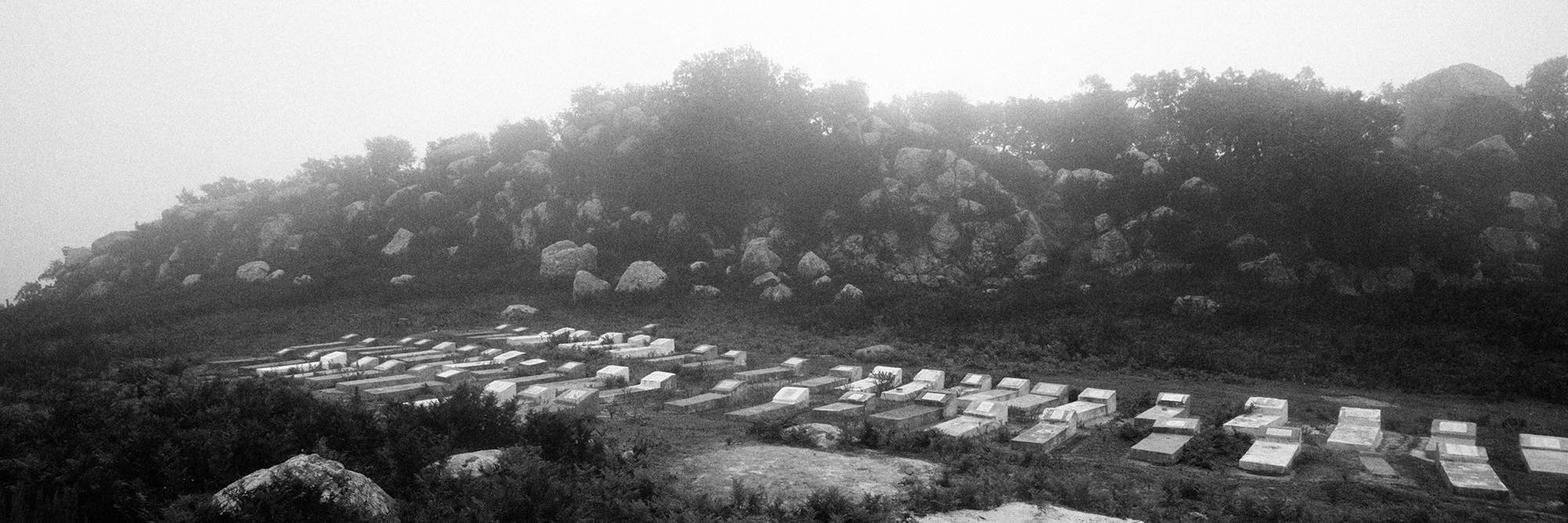
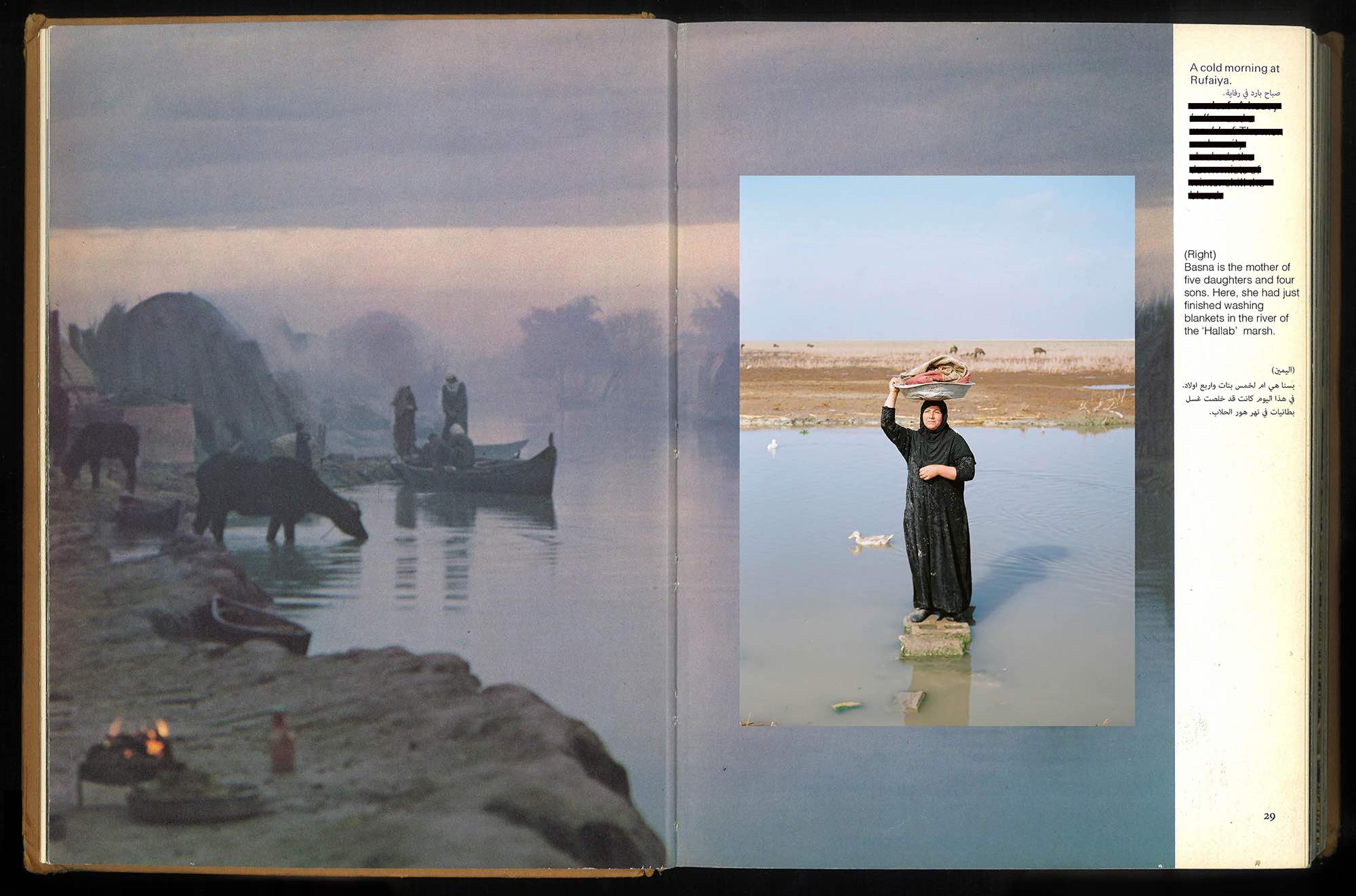
In a cartographical order from west to east, Zied Ben Romdhane introduces us to the living conditions of villagers in the Jenouba region of northwest Tunisia who struggle to access potable water. From there we head to the West of Alexandria in Egypt, where Mohamed Mahdy documents the effects of air pollution generated by a Cement Factory and its threatening consequences on the health of the inhabitants of Wadi El Qamar (Moon Valley). Moving northeast to Jordan, Infertile Crescent by Nadia Bseiso investigates the dry and burnt land of the modern Jordanian map and the environmental impacts man-made borders have had on the environment of this once fertile region. From there we head to Lebanon, where Roï Saade’s project narrates the illegal privatization of the land and sea in Beirut and draws parallels from an ancient epic. Lastly, we arrive in Iraq, where Tamara Abdul Hadi offers a way to reimagine and reclaim narratives of the people and the wetlands of southern Iraq, known as Al-Ahwar.
This exhibition at Rifugio Digitale is a special event of the Middle East Film Festival.
Curated by Roï Saade and collectively developed by Access in the Making (AIM) Lab in 2022 by taking a creative approach to accessibility to arts. AIM Lab is anti-colonial, anti-ableist, feminist research lab working on issues of access, disability, environment and care through creative experimentation.
www.accessinthemaking.ca
Rifugio Digitale – Via della Fornace 41
17 October / 3 November 2024
(hours: Wednesday – Sunday 11:00am – 7:00pm)